Could Narcolepsy in Teens Explain Why Your Teen Can't Stay Awake?
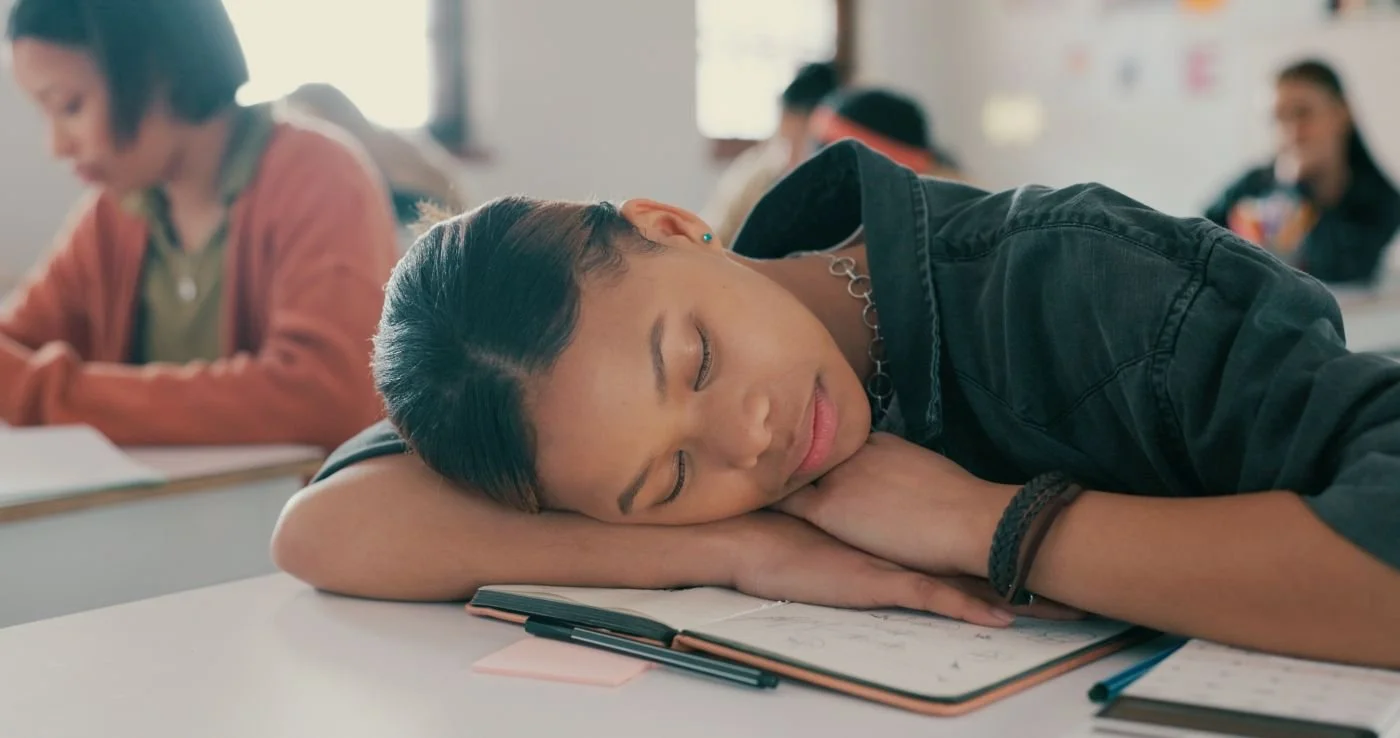
Teens often feel sleepy because they aren't getting enough rest or their sleep schedule is off. If your teen is sleeping enough but still can't stay awake in class or while doing homework, though, narcolepsy in teens could be the reason. Sudden sleep attacks or brief muscle weakness during laughter or surprise are also signs to watch for. A pediatric sleep evaluation helps you find out if your teen is dealing with regular sleep loss or a neurological sleep disorder that needs care.
When Is Teen Daytime Sleepiness More Than a Late Bedtime?
Start by checking if your teen is getting enough sleep and can stay alert when they do. Sleep deprivation and late bedtimes are common for teens. With narcolepsy in teens, your teen may feel overwhelming excessive daytime sleepiness even after a full night's rest.
According to the National Heart, Lung, and Blood Institute, half of people with narcolepsy start having symptoms before age 18, but it often takes years to get a diagnosis. It's easy to blame severe sleepiness on late nights or attention issues.
What Signs Can Point to Pediatric Narcolepsy?
Pediatric narcolepsy doesn't look the same for every child. Your teen might fall asleep during class, conversations, homework, or even meals. Other signs to watch for include:
overpowering sleepiness or unintended sleep episodes
cataplexy, or brief muscle weakness triggered by laughter, surprise, or another strong emotion
sleep paralysis or vivid dreamlike experiences while falling asleep or waking
disrupted nighttime sleep despite severe daytime tiredness
Cataplexy happens with type 1 narcolepsy. Type 2 doesn't include cataplexy, so your teen can still have narcolepsy even if you haven't noticed muscle weakness.
How Is Narcolepsy in Teens Diagnosed?
A narcolepsy diagnosis begins with your teen's medical history, sleep schedule, symptoms, and any medications. Testing usually includes an overnight sleep study and a Multiple Sleep Latency Test. This test checks how quickly your teen falls asleep during scheduled naps and whether REM sleep shows up sooner than expected.
The American Academy of Sleep Medicine recommends tracking your child's sleep schedule for two weeks before pediatric testing. Not getting enough sleep or having a delayed sleep phase can lead to false-positive narcolepsy results, so this preparation really matters. Restful Sleep MD offers pediatric narcolepsy evaluation and treatment for children and teens in the Philadelphia area.
What Can Specialist Care Include?
Treatment can include medication, planned naps, a steady sleep schedule, school accommodations, and ongoing support. The goal is to help your teen stay alert during the day and keep up with school and daily activities safely.
Dr. Funke Afolabi-Brown, a PENN-trained sleep medicine physician, is triple-board-certified and brings extensive pediatric sleep experience. She works with families to explain the diagnosis, create a practical care plan, and adjust treatment as your teen's needs change.
FAQs About Narcolepsy in Teens
Can a teen have narcolepsy without cataplexy?
Yes. Type 2 narcolepsy causes daytime sleepiness without cataplexy.
Is the MSLT enough to diagnose narcolepsy by itself?
No. Dr. Brown interprets the results alongside the overnight study, sleep history, medications, and recent sleep schedule.
When should I schedule an evaluation?
It's time to schedule an evaluation if your teen has severe sleepiness even after getting enough rest, struggles with school or daily activities, or has sleep attacks or muscle weakness.

Talk With Restful Sleep MD About Excessive Daytime Sleepiness
If your teen is sleeping enough but still can't stay awake, Restful Sleep MD can help you figure out what's going on and whether testing makes sense. You can schedule a free 15-minute consultation with The Restful Sleep Place in Horsham, PA, to talk through your teen's symptoms with Dr. Brown.
