Sleep Disruptions in Midlife Women: When Hormones Are the Hidden Cause
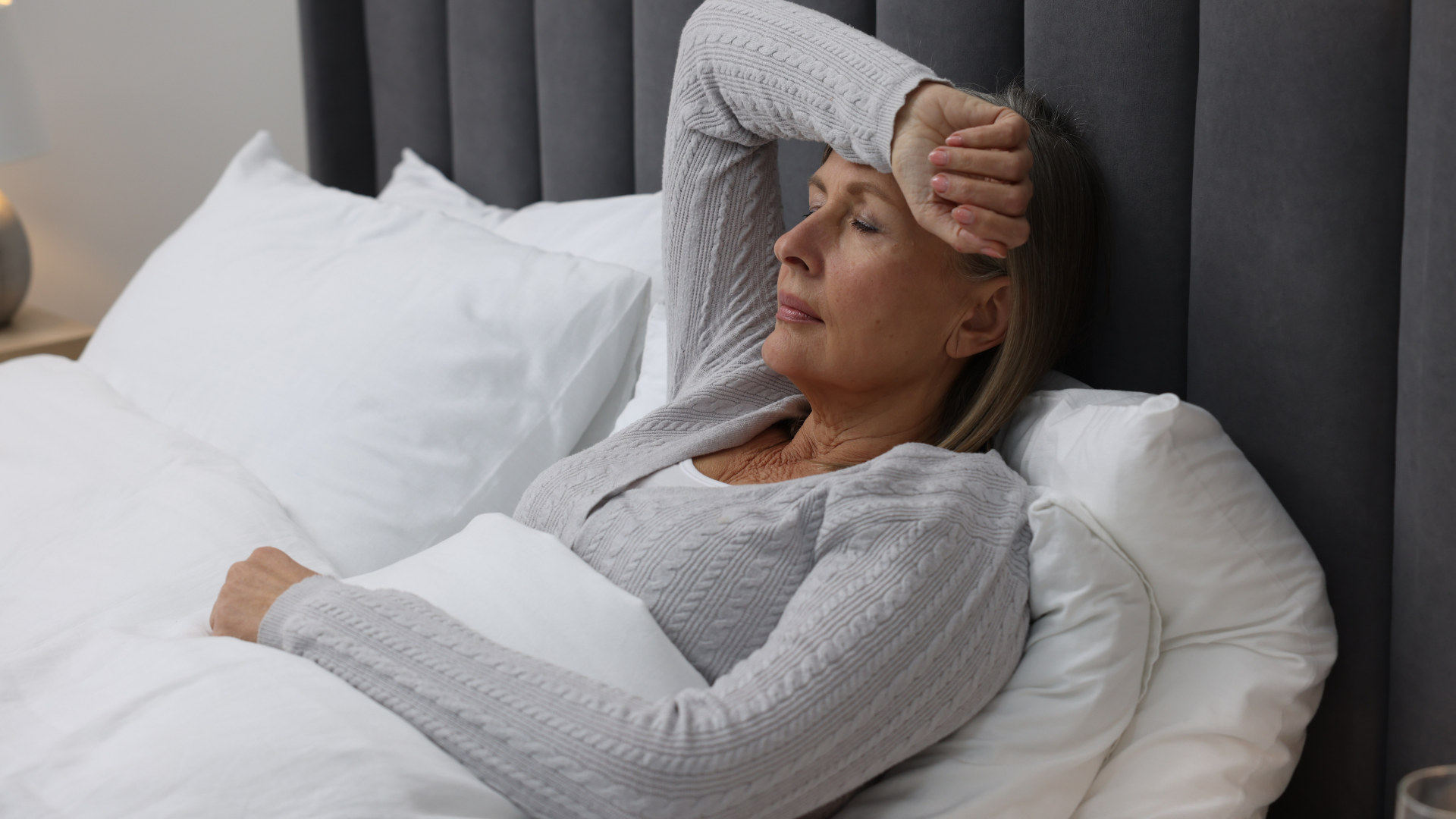
Something has changed. You used to fall asleep with ease and wake up feeling rested, but lately, sleep feels elusive. You lie awake for hours, toss and turn through the night, or wake up at 3 a.m. unable to drift back off. You’ve blamed it on stress, work, or simply getting older. But what if the real cause is something happening inside your body that no one has talked to you about?
For many women in their late 30s, 40s, and early 50s, unexplained sleep changes are one of the earliest and most overlooked signs of perimenopause and menopause. Dr. Funke Afolabi-Brown, a PENN-trained, triple-board-certified sleep medicine physician and founder of The Restful Sleep Place in Horsham, Pennsylvania, specializes in helping midlife women identify the true source of their sleep disruptions and reclaim the restorative rest they deserve.
A Sleep Medicine Expert Who Understands Women’s Unique Needs
Dr. Afolabi-Brown brings nearly two decades of clinical experience in sleep medicine, with specialized training from the University of Pennsylvania and former faculty experience at The Children’s Hospital of Philadelphia. As a bestselling author of Beyond Tired, a nationally recognized speaker, and a woman who has personally navigated the challenges of sleep disruption, she brings both medical expertise and genuine empathy to every patient consultation.
"So many women come to me convinced that their sleep problems are just part of aging or that they need to push through it," says Dr. Afolabi-Brown. "What they don’t realize is that shifting hormones are fundamentally changing their brain’s ability to regulate sleep, and there are real, evidence-based solutions."
Through her concierge practice, Dr. Afolabi-Brown serves women across Philadelphia, the Main Line, and throughout Pennsylvania, New Jersey, and California with both in-person and virtual consultations.
Why Your Sleep Changed (And Why It’s Not Just Stress)
Many women experience a gradual, or sometimes sudden, shift in their sleep quality during midlife, long before they associate it with hormonal changes. This period, known as perimenopause, can begin as early as the late 30s and typically lasts four to ten years before menopause. During this transition, fluctuating levels of estrogen and progesterone directly affect the brain’s sleep-regulating systems.
Estrogen plays a critical role in serotonin production, a neurotransmitter essential for initiating and maintaining deep sleep. Progesterone has natural calming and sedative-like properties that promote restorative rest. As these hormones fluctuate and gradually decline, sleep becomes lighter, more fragmented, and less restorative, even when nothing else in your life has changed.
Research shows that more than 40% of perimenopausal women report significant sleep difficulties, yet the majority go undiagnosed because the symptoms are often attributed to stress, anxiety, or aging. Postmenopausal women are also two to three times more likely to develop sleep apnea compared to premenopausal women, a condition that frequently goes unrecognized in women because its symptoms present differently than in men.
Signs Your Sleep Problems May Be Hormonal
Women in the Philadelphia and Main Line areas frequently visit Dr. Afolabi-Brown after months or even years of worsening sleep, unaware that hormones are the driving force. These are some of the most common patterns she identifies:
Sudden-Onset Insomnia: Falling asleep was never a problem before, but now it takes 30 minutes or longer to drift off
Frequent Nighttime Awakenings: Waking two, three, or more times per night with difficulty returning to sleep
Early Morning Wakefulness: Consistently waking at 4 or 5 a.m., alert and unable to fall back asleep
Unrefreshing Sleep: Sleeping seven or eight hours but waking up feeling exhausted and foggy
Night Sweats and Temperature Dysregulation: Waking drenched in sweat, then feeling chilled moments later
Mood and Cognitive Changes: Increased anxiety, irritability, or difficulty concentrating that worsens with poor sleep
"Many of my patients tell me they thought they were losing their minds," Dr. Afolabi-Brown shares. "They didn’t connect the dots between their changing cycles, their mood shifts, and their inability to sleep. Once we identify the hormonal component, everything starts to make sense."
What Happens When Midlife Sleep Disruptions Go Untreated
Chronic sleep disruption during perimenopause and menopause is more than an inconvenience. It carries real consequences for long-term health. Women who experience persistent poor sleep during this transition face elevated risks for cardiovascular disease, metabolic disorders, weight gain, weakened immune function, and cognitive decline.
Sleep fragmentation also amplifies the emotional and psychological challenges of midlife, worsening anxiety, depression, and overall quality of life. Additionally, hormonal changes during this phase can unmask or worsen underlying conditions like obstructive sleep apnea, restless leg syndrome, and circadian rhythm disorders, all of which require specialized diagnosis and treatment.
Why Cognitive Behavioral Therapy for Insomnia (CBT-I) Is the First-Line Treatment for Midlife Insomnia
While hormone fluctuations may trigger sleep disruption, many women develop conditioned insomnia patterns that persist even after night sweats or stress levels improve. This is where Cognitive Behavioral Therapy for Insomnia (CBT-I) becomes transformative.
CBT-I is considered the gold-standard, first-line treatment for chronic insomnia by leading sleep medicine organizations. Unlike sleep medications, which can temporarily sedate the brain without correcting the underlying cause, CBT-I retrains the brain and body to restore natural, sustainable sleep.
“Midlife insomnia is rarely just about hormones,” explains Dr. Afolabi-Brown. “Over time, the frustration and anxiety around not sleeping create a cycle that keeps the brain in a state of hyperarousal. CBT-I helps break that cycle.”
How CBT-I Works
CBT-I is a structured, evidence-based program typically delivered over several weeks. Under the guidance of a board-certified sleep physician, patients learn how to:
Reset the brain’s sleep drive through carefully calibrated sleep scheduling
Eliminate behaviors that unintentionally reinforce insomnia
Reduce nighttime hyperarousal and racing thoughts
Strengthen the connection between the bed and restorative sleep
Replace sleep-related anxiety with confidence and control
Research consistently shows CBT-I to be as effective as sleep medication in the short term and significantly more effective in maintaining long-term results. Most importantly, it addresses the behavioral and neurological components of insomnia that hormonal changes can unmask.
Why CBT-I Is Especially Effective for Perimenopausal and Menopausal Women
During perimenopause, fluctuating estrogen and progesterone disrupt the brain’s sleep-wake regulation. After months of poor sleep, many women begin to anticipate difficulty at bedtime. This anticipation activates stress pathways that further impair sleep onset and maintenance.
CBT-I directly targets this cycle. By restoring sleep efficiency and reducing sleep performance anxiety, women often regain consistent, consolidated sleep even while navigating ongoing hormonal shifts.
For some women, CBT-I is sufficient as a standalone treatment. For others, it works synergistically with hormonal therapy, treatment of sleep apnea, or targeted lifestyle changes. Because Dr. Afolabi-Brown is triple-board-certified in sleep medicine, she is uniquely positioned to determine when CBT-I alone is appropriate and when a more comprehensive strategy is needed.
A Medication-Free Path to Sustainable Sleep
Many midlife women prefer to avoid long-term reliance on sleep medications due to side effects, tolerance, or next-day grogginess. CBT-I offers a non-pharmacological solution rooted in neuroscience and behavioral science.
Patients often report:
Falling asleep more quickly
Fewer nighttime awakenings
Improved sleep confidence
Better daytime focus and mood
Reduced anxiety surrounding bedtime
By addressing both the hormonal triggers and the behavioral patterns that sustain insomnia, CBT-I becomes a powerful pillar of long-term sleep recovery.
A Personalized Approach to Midlife Sleep Recovery
Dr. Afolabi-Brown takes a comprehensive, whole-person approach to treating sleep disruptions in midlife women. Every patient begins with a thorough evaluation that goes beyond surface-level symptoms to uncover root causes, including hormonal influences, sleep architecture changes, co-existing sleep disorders, and lifestyle factors. Treatment plans are tailored to each woman’s unique needs and may include:
Cognitive Behavioral Therapy for Insomnia (CBT-I): The gold-standard, evidence-based approach to treating chronic insomnia without medication
Sleep Study and Diagnostic Evaluation: Advanced testing, including at-home options, to identify conditions like sleep apnea or restless leg syndrome
Sleep Environment and Hygiene Optimization: Targeted strategies for temperature regulation, bedtime routines, and creating a sleep-supportive environment
Nutritional and Lifestyle Guidance: Personalized recommendations for exercise timing, dietary adjustments, and stress management techniques
Collaborative Hormonal Support: Coordination with your OB-GYN or primary care physician on hormonal therapy options when appropriate
Supplement Guidance: Evidence-informed use of melatonin, magnesium, and other supplements when beneficial
For a deeper look at how menopause specifically impacts sleep architecture and the science behind hormonal sleep disruption, visit Dr. Afolabi-Brown’s dedicated Menopause Sleep Problems page.
Frequently Asked Questions About Sleep Problems in Midlife Women
At what age do hormonal sleep changes typically begin?
Perimenopause can start as early as the late 30s, though most women begin noticing sleep-related changes in their early to mid-40s. The transition typically lasts four to ten years before menopause, which occurs at a median age of 51.
How do I know if my sleep problems are hormonal or caused by something else?
A comprehensive sleep evaluation with a specialist like Dr. Afolabi-Brown can differentiate between hormonal sleep disruption, underlying conditions like sleep apnea or restless leg syndrome, and lifestyle-related factors. Many women have more than one contributing cause.
Can perimenopause cause sleep apnea?
Yes. Declining estrogen and progesterone levels can affect airway muscle tone and body composition, increasing the risk of obstructive sleep apnea. Women with sleep apnea often present with fatigue and mood changes rather than classic loud snoring, which can delay diagnosis.
Do I need a referral to see Dr. Afolabi-Brown?
No referral is necessary. You can schedule a consultation directly through The Restful Sleep Place by calling (215) 607-8297 or booking a free 15-minute consultation online.
Does Dr. Afolabi-Brown prescribe hormone therapy for sleep problems?
Dr. Afolabi-Brown takes a comprehensive approach and collaborates with your OB-GYN or primary care physician when hormonal therapy may be appropriate. Her focus is on addressing the full spectrum of sleep-disrupting factors through both non-pharmacological and, when needed, pharmacological interventions.
Are virtual consultations available for women outside the Philadelphia area?
Yes. The Restful Sleep Place offers virtual appointments for patients in Pennsylvania, New Jersey, and California, in addition to in-person visits at the Horsham, PA office.
Why Midlife Women Trust The Restful Sleep Place
Specialized Expertise: Dr. Afolabi-Brown is one of the few sleep specialists with deep expertise in hormonal sleep disruption, bringing PENN-trained credentials and nearly two decades of clinical experience
Concierge-Level Care: Direct access to Dr. Afolabi-Brown, priority scheduling, extended consultations, and unlimited secure messaging through The Restful Sleep Journey™ program
Whole-Person Approach: Treatment that goes beyond symptom management to address hormonal, behavioral, environmental, and medical contributors to poor sleep
Flexible Access: Both in-person and virtual appointments available for women across Philadelphia, the Main Line, Pennsylvania, New Jersey, and California
Proven Results: A track record of helping women reclaim restorative sleep and improve their overall quality of life during midlife transitions
Reclaim Your Sleep During This New Chapter in Philadelphia
Sleep disruption does not have to define your midlife experience. Whether you are navigating perimenopause, menopause, or simply struggling with sleep changes you cannot explain, Dr. Funke Afolabi-Brown and the team at The Restful Sleep Place are here to help you find answers and lasting relief. With expert, compassionate care tailored to the unique needs of women in this stage of life, better sleep and a better quality of life is within reach. Contact The Restful Sleep Place today at (215) 607-8297 or schedule a free 15-minute consultation to take the first step toward restful, restorative sleep.