Insomnia vs. Sleep Apnea: How to Tell the Difference (And Why It Matters)
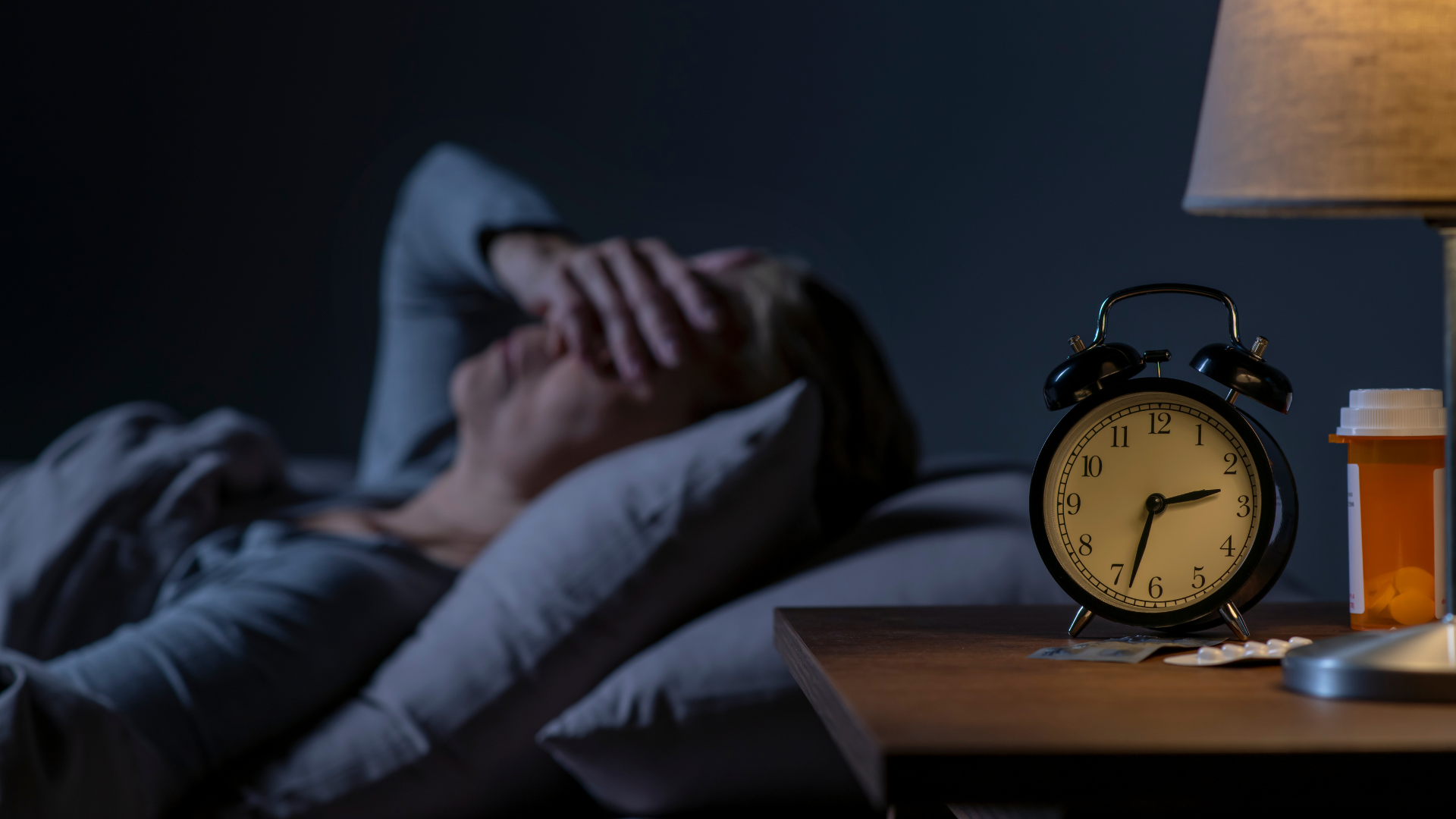
Are you lying awake at 3 AM, wondering why you can't sleep? You're not alone. Nearly 30% of adults experience sleep difficulties, but not all sleep problems are insomnia. Understanding what's really keeping you awake is the first step toward getting the sleep you need.
What Is Insomnia? Understanding the Basics
Insomnia is a sleep disorder where you have persistent difficulty falling asleep, staying asleep, or waking up too early despite having adequate opportunity to sleep. The key distinguishing factor is that insomnia causes daytime impairment—fatigue, mood disturbances, difficulty concentrating, or reduced performance at work or school.
Types of Insomnia
Acute Insomnia lasts for days or weeks and is often triggered by stress, illness, or environmental changes. This short-term sleep disruption typically resolves on its own.
Chronic Insomnia occurs at least three nights per week for three months or longer. This persistent form requires professional intervention and often responds well to evidence-based treatments like Cognitive Behavioral Therapy for Insomnia (CBT-I).
Is It Really Insomnia? Common Sleep Disorders That Mimic Insomnia Symptoms
Many sleep issues masquerade as insomnia but require different treatment approaches. Here's how to identify what's really disrupting your sleep.
Circadian Rhythm Sleep Disorders: When Your Body Clock Is Off
Your circadian rhythm is your internal 24-hour clock that regulates sleep-wake cycles. When this rhythm is misaligned with your desired sleep schedule, you may experience insomnia-like symptoms.
Signs it's a circadian rhythm issue:
You can sleep well but only at "wrong" times (very late at night or very early in the evening)
You experience jet lag that won't resolve
Shift work leaves you unable to sleep during designated rest periods
You're a natural "night owl" struggling with morning obligations
Seasonal changes significantly impact your sleep patterns
Key difference from insomnia: People with circadian rhythm disorders can typically sleep well once they fall asleep at their natural time. Insomnia sufferers struggle with sleep quality regardless of timing.
Anxiety-Related Sleep Problems: When Worry Keeps You Awake
Anxiety and insomnia often overlap, making differentiation challenging. However, understanding which came first helps determine the best treatment path.
Signs your sleep issues are anxiety-driven:
Racing thoughts or worry are the primary barrier to sleep
Physical anxiety symptoms appear at bedtime (rapid heartbeat, muscle tension, restlessness)
You experience panic attacks at night
Daytime anxiety is prominent and precedes sleep difficulties
You dread bedtime due to anticipatory anxiety about not sleeping
Key difference from insomnia: While insomnia can exist independently, anxiety-related sleep problems improve significantly when the underlying anxiety is treated. Pure insomnia persists even when stress or worry is minimal.
Sleep Apnea: The Hidden Sleep Disruptor
Sleep apnea causes repeated breathing interruptions during sleep, leading to fragmented rest and excessive daytime sleepiness. Many people with sleep apnea believe they have insomnia because they wake frequently.
Warning signs of sleep apnea:
Loud snoring (reported by a bed partner)
Gasping or choking during sleep
Morning headaches
Excessive daytime sleepiness despite spending adequate time in bed
Witnessed breathing pauses during sleep
High blood pressure or heart problems
Large neck circumference or excess weight
For most women, sleep apnea symptoms are MUCH MORE SUBTLE and include; soft snoring, dry mouth, restless sleep, multiple night wake ups. Many women don’t have the classic symptoms.
Key difference from insomnia: Sleep apnea sufferers typically fall asleep easily due to exhaustion but can't achieve restorative sleep. Insomnia involves difficulty initiating or maintaining sleep despite feeling tired. To make matters more complicated, you may have both.
Other Sleep Disorders to Consider
Restless Legs Syndrome (RLS) creates uncomfortable sensations in the legs and an irresistible urge to move them, particularly when lying down. This makes falling asleep extremely difficult.
Periodic Limb Movement Disorder causes repetitive leg movements during sleep that fragment rest without the person's awareness.
Narcolepsy involves excessive daytime sleepiness and sudden sleep attacks, sometimes accompanied by fragmented nighttime sleep.

Cognitive Behavioral Therapy for Insomnia (CBT-I): The Gold Standard Treatment
CBT-I is the first-line treatment recommended by the American College of Physicians for chronic insomnia. This structured, evidence-based approach addresses the thoughts and behaviors that perpetuate sleep problems.
What Makes CBT-I Effective?
Unlike sleeping pills, CBT-I produces lasting results by retraining your brain and body for better sleep. Research shows that 70-80% of people with insomnia experience significant improvement with CBT-I, with benefits lasting long after treatment ends.
Behavioral Sleep Strategies You Can Start Tonight
While professional treatment is ideal for chronic insomnia, these evidence-based strategies can improve sleep quality starting immediately.
Establish a Consistent Sleep Schedule
Go to bed and wake up at the same time every day—yes, even on weekends. Consistency strengthens your circadian rhythm and makes falling asleep easier over time.
Create a Wind-Down Routine
Spend 30-60 minutes before bed doing relaxing activities that signal sleep time is approaching. This might include reading, gentle stretching, listening to calm music, or taking a warm bath.
Optimize Your Sleep Environment
Your bedroom should be cool (60-67°F), dark, and quiet. Consider blackout curtains, a white noise machine, or earplugs if needed. Reserve your bedroom for sleep and intimacy only.
Manage Light Exposure
Get bright light exposure in the morning and limit blue light from screens 1-2 hours before bed. This supports healthy melatonin production and circadian rhythm alignment.
Limit Sleep Disruptors
Avoid caffeine after 2 PM, limit alcohol (which fragments sleep), and don't eat large meals close to bedtime. Regular exercise improves sleep but should be completed at least 3-4 hours before bed.
Practice the Quarter-Hour Rule
If you can't fall asleep within 15-20 minutes OR if you feel frustrated about your inability to sleep, get out of bed and do a quiet, non-stimulating activity until you feel sleepy. This prevents your brain from associating the bed with wakefulness.
When to Seek Professional Help
Consult a healthcare provider or sleep specialist if:
Sleep problems persist for more than three months
Daytime functioning is significantly impaired
You suspect sleep apnea or another sleep disorder
Self-help strategies haven't improved your sleep
Sleep difficulties are impacting your relationships, work, or mental health
A sleep specialist can conduct a comprehensive evaluation, potentially including a sleep study, to accurately diagnose your condition and create a personalized treatment plan.
The Bottom Line: Getting the Right Diagnosis Matters
Not all sleep problems are created equal. While insomnia is the most common sleep complaint, accurately identifying whether you're dealing with true insomnia, a circadian rhythm disorder, anxiety-related sleep issues, or sleep apnea is crucial for effective treatment.
CBT-I offers proven, lasting results for chronic insomnia without medication side effects. Combined with solid behavioral sleep strategies, most people can achieve the restorative sleep they need.
If you're struggling with persistent sleep difficulties, don't suffer in silence. The right diagnosis and treatment approach can transform your nights—and your days.
Ready to improve your sleep?
Start by tracking your sleep patterns for two weeks, noting when you go to bed, when you fall asleep, nighttime awakenings, and wake time. This information will be invaluable whether you pursue self-help strategies or consult a sleep professional.
